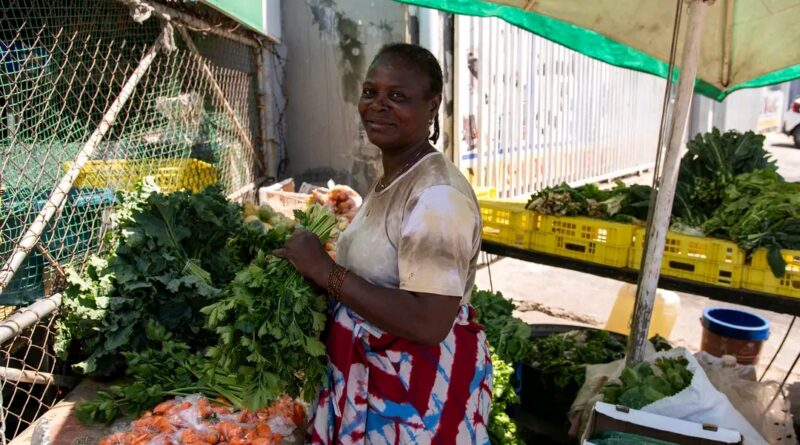
Starting your Own Vegetable Market: The Nitty-Gritty in a Nutshell
Starting your own venture could evoke high-tech businesses or a restaurant venture, real estate, or e-commerce. The idea of owning a vegetable market crosses very few minds but a vegetable market stands to be one of the most practical, accessible, and profitable businesses to start. This holds true regardless of whether you are a beginner, seasoned business-minded, or just passionate about community wellness and fresh food.
Starting your own vegetable market is very possible even if you don’t grow your own produce or have any agricultural background. This business is a lot less complicated and more approachable than most people are led to believe. The interest in vegetable markets is growing due to the interest in fresh foods, sustainable eating, and affordable produce. Let’s drill down to what makes this business worth considering, and how almost anyone can build one of these vegetable markets.
Why a Vegetable Market Is a Surprisingly Smart Business to Own
Owning a vegetable market is about starting a business in one of the most evergreen industries out there. For the entirety of human existence, there will always be a need for fresh vegetables. Unlike other industries where the trends are constantly changing, food will always be around.
Here are a few more reasons why a vegetable market is one of the best business options.
1. One of the Lowest Barriers to Entry
Not having a fancy storefront does not matter. Many market owners begin with:
A small roadside stand
A corner stall in a local market
A rented kiosk
A mobile vegetable cart
A weekend farmers market booth
You can start the business with a few hundred dollars, which is a startup cost that is very low relative to most businesses.
2. There is a continual, strong demand for fresh produces because all consumers eat them on a daily basis.
Most people consume FRESH PRODUCE on a daily basis and are using them in their salads, soups and stews and smoothies. Vegetables are part of the everyday staple foods throughout the majority of cultures and continue to provide a steady flow of sales and income daily.
3. It Uplifts Communities
Market owners are able to promote community health and healthier eating. Making it easier for customers to eat healthier and access fresh and affordable food is appreciated by all communities.
4. The Market Can Grow as Much as You Want
You can start at one stall and end at many. Within no time what was one stall can turn into;
A full grocery store
A multi-section produce market
A wholesale distributor for restaurants
A chain of vegetable stalls across your city
A branded produce business
One of the few businesses where the expansion of the business aligns naturally with demand.
No Farms are Needed To Own A Vegetable Market
A common misconception is that only farmers can own vegetable markets. The truth is that many owners of vegetable markets don’t grow any vegetables at all. They actually source their produce from:
local farmers
wholesale suppliers
regional produce distributors
early morning wholesale markets
urban farms or home gardeners
You are not required to farm. You are required to source, display, store, and sell produce. If you are engaged in connecting consumers and sellers of produce, you have got a business.
A Step-by-Step Process for Creating Your Own Veggie Market
When broken into manageable steps, launching your veggie market turns out to be quite easy.
1. Choose Your Business Model
There are a number of different kinds of vegetable markets, such as:
Street Stall: This is the most cost-effective option.
Permanent Market Shop: This is suitable for high foot traffic areas.
Mobile Vegetable Cart: This is handy for reaching a wider customer base.
Pop-up Market: This is ideal for special weekend events.
Home Delivery Service: Customers are able to phone in orders.
Choose a model that works for your budget and the customer needs in your area.
2. Find a Good Location
Location is everything. Good spot examples include:
Residential areas
Busy intersections
School areas
Bus stations
Office districts
Other local markets
Wherever there is foot traffic, there is the potential for strong sales.
3. Build Relationships with Suppliers
A reliable supply chain. is the lifeblood of any produce business. Consider talking to:
Farmers Market vendors
Local wholesale vendors
Agro cooperatives
Growers associations
These suppliers will help you get better quality produce and prices, ultimately leading to better profit margins.4. Establish a Polished and Inviting Presentation Having a visually engaging product display is just as important as product quality. The customers-much like everyone- are attracted to orderliness and vibrant color coordination. Therefore, you may want to consider colorful and organized product arrangements and diverse display furnishings such as;
- Wood crates
- Tiered shelving
- Baskets
- Clean tables
Since customers like a uncluttered and tidy browsing ecnvioonrnment, it would be beneficial to keep all display and display surfaces organized and clean.
4. Use a Smart Pricing Strategy
Markets usually implement the following methods to keep strong pricing competitiveness. The suggested pricing strategy according to most markets is:
- 20%-40% upmark (depending on product type)
- accruing bulk purchase discounts
- Lower prices for products nearing end of primary freshness
Flexible pricing is appreciated loyalty by customers.
5. Try to Bring Attention to Your Market
Marketing is the most important factor. The marketing strategy is only as effective as the effort put into it. Customers are attracted to printing local flyers and signs, and marketing through social media for every advertising channel (Facebook, WhatsApp, Instagram, etc.), and most importantly word of mouth (as a partnership with customers). For differentiation, included home delivery services is an excellent idea.
Defining Characteristics of Your Vegetable Market
A vegetable market can be as unique and diverse as you would like. One of the easiest market differentiating characteristics or ideas that can be initiated is the addition of pre-packaged meal preparation kits. For example, a \”Stir-Fry Pack\”, \”Salad Kit\”, or \”Dinner Veggie Combo\” goes a long way. Therefore, it is suggested to offer the e customer all the products that would normally be included in a recipe for a meal. Complementary products that are often used in combination with most vegetables are fruits, eggs, organic oil, and specialty herbs or spices.
Set customer’s recipes or nutritional information.
Market name reusable shopping bags.
Frequent customers should be given special incentive offers.
Small touches result in strong customer retention.
The social aspect of a community veg market is more than a business.
A significant and highly profitable opportunity to assist your local community is to provide access to affordable healthy food options and support for local farmers. Creating and maintaining a vegetable market is achievable without financial means, an established location or past experience. With due diligence and commitment to serving your community, as well as an interest in providing them with nutritious food, this goal can be accomplished successfully.
Building a vegetable market can have unlimited potential as a produce-based entrepreneur.
