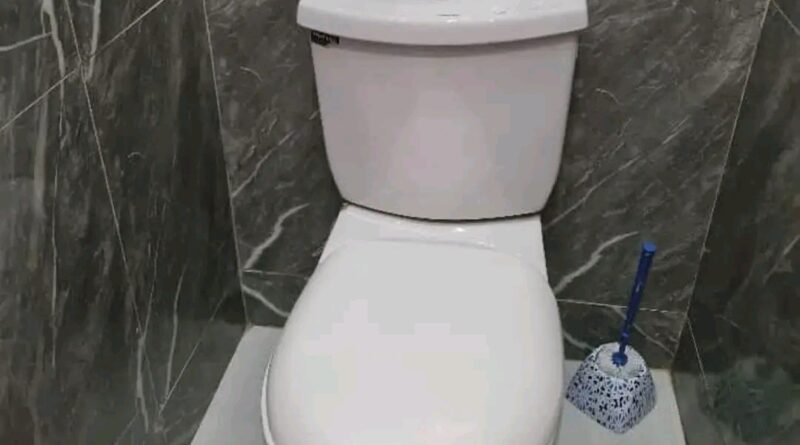
Transforming filthy taxi-rank toilets into a viable business opportunity
In numerous cities and townships, taxi ranks are integral transportation hubs. Commuters are for numerous passengers and informal traders make a living selling goods and services. Commuters and informal traders are for thousands of customers moving throughout the taxi rank. However, When using these taxi ranks, people are confronted with poorly maintained public toilets. Dirty, Smelly and largely neglected public toilets.
The good news is that neglected public toilets has the potential to be good business. Improved public toilets, with a little effort, planning and dedication, can be transformed into maintained and reliable restrooms. Then, for a small fee, can make these public toilets a Socially responsible business.
Reasons Taxi Rank Toilets Are in Bad Condition
Public restrooms lose their appeal when no one is liable for taking care of them. Taxi ranks have a high volume of users, often getting thousands of users every day, however, they often lack an individual cleaner as well as a maintenance worker. Public entities often have restrictive budgets, so the toilets get the least attention. After some time, there is a cycle of neglect in which unused toilets become dirty and users care even less. After some time, the toilets become dirty and unusable.
People still need toilets, especially those on short intercity trips, people with children, pregnant women, as well as elderly people. During unscheduled breaks, the toilet demand of these intercity travelers is high. The Definite Gap is Supply and Demand.
This is where the idea of starting a business comes in.
The Idea Is Simple and Straightforward
Identify a location of a toilet facility at a taxi rank that is in a state of neglect, or is abandoned
Obtain permission from the relevant superordinate body, municipality, taxi association or property owner, to assume control of their cleaning and maintenance.
Repair and modernize the facilities to an adequate standard
Impose a fee for using the toilets. Between R2 and R5 is the going rate.
Practice daily cleaning that maintains a safe environment.
This model is especially profitable to the community and the business owner when it is done correctly.
Why It Can Be a Winning Venture
1. High Foot Traffic = Certain Customers
Taxi ranks have a ton of foot traffic. Even a tin booth toilet is guaranteed to get hundreds, if not thousands, of people each day. This means a small fee will get you good daily revenue. For example, if 500 people use the toilet at R3, that’s R1,500 in revenue a day.
2. Guaranteed Profit Margain
A dirty bathroom is something we all do not want to enter since it turns a lot of potential customers off, thus having a properly maintained and clean bathroom will encourage customers to pay for use.
3. Low Cost to Start Versus Expected Profit
Basic repairs – fixing doors, new locks, lights, repaint, and a new deep clean – are all not expensive to do. For deep cleaning, disinfectant and a few cleaning supplies are not very expensive. Furthermore, the owner of the business can even do the cleaning, which cuts down on labour costs.
4. Creation of Employment
Such a facility will in the first instance have many people employed. For many communities that have high levels of joblessness, even the addition of 2 to 3 new positions will have a positive impact. The clean toilets alone should keep the unemployed of the community busy.
5. Partnership Opportunities
It is often an immense relief for municipalities along with the taxi associations to pass the responsibility of maintaining the public infrastructure. This is advantageous for acquiring long-term contracts and operational rights for stable financial inflows.
Steps to Successfully Establish the Business
1. Get Authorization
You need to come to the taxi associations and municipalities with a proposed partnership. Tell them the advantages and benefits of cleaner facilities, safe toilets, and public health and revenue for everyone and everything. Once they get a formal structured idea authorities usually welcome partnerships with you.
2. Draft a Plan and Budget
Calculate the costs of the following things:
The cleaning supplies
Repairs, painting, and maintenance
Wages for the employees
Utilities (water and electricity costs) if the facility is operational
Branding and other signs
You should also state how many expected users you have and which pricing plan.
3. Cleaning and Renovating
You must establish a good first impression for this. This must be completed by:
In addition to Disinfecting Bathroom Surfaces.
Repairs of all types in the restroom (toilet, light, faucet, door).
Means to ensure the restroom remains fresh via ventilation or other methods.
Installing bins/holders for waste materials and toilet paper in a restroom.
4. Painting the walls
Of course, the cleanliness must be maintained and be a consistent effort yote a surface level clean of the whole facility. Maintenance is key to this consistency. More specifically, maintenance is done on a daily basis.
1. Hire Responsible Staff
Get cleaners who you can count on to keep the place clean. Some business owners hire a cleaner who also takes on the responsibility of collecting payments. This provides accountability and cost saving.
2. Maintain High Standards
Customers lose faith very quickly if the toilet is dirty again. Dirty toilet = lose customer. This means hourly cleaning, keeping enough toilet paper, and removal of rubbish is a must.
3. Track Revenue and Expenses
Treat the project as a proper business. Record the following:
Daily user count
Total funds received
Expenditure on supplies
Wage payments
This is useful for proving value of the project to the regulators and also improves operations.
Benefits to the Community
The benefits of clean and well managed toilets goes way beyond profits:
The overall environment is improved, especially around taxi ranks (where toilets are often located)
Dignity is restored for commuters, especially those who rely on public transport daily
Clean and well maintained facilities promote a sense of respect and care.
Challenges to Expect
This business model, like any other, has challenges:
Initial resistance to payment from some users.
Risk of vandalism.
Disruptive water shortages or plumbing issues.
Getting approvals can require lots of time.
But through diligence, professionalism, and good rapport with taxi rank authorities, these challenges can be resolved.
A Small Idea With Big Impact
While many people see the issue of filthy, odorous bathrooms as an issue to be fixed, we believe this issue is also an opportunity for substantial income potential, as well as the ability to restore dignity and cleanliness to tens of thousands of commuters each night.
When developing projects, we believe that using seriousness, consistency, and commitment to building an eco-friendly community will provide the maximum impact for these projects. Creating a well-thought-out plan for uplifting the community and providing clean toilets at taxi ranks could promote sustainable living for the communities.
The greatest possible opportunity can be found where most people would rather not. In this case, the opportunity is found behind an old, rusty door and is ready for someone to tidy, repair, and reconstruct.
